
History of Yoga
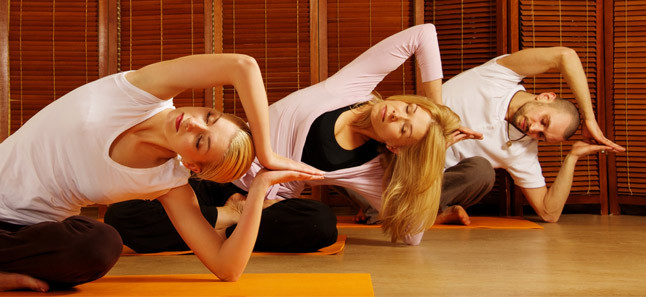
Yoga is more than 10,000 years old The earliest mention of the contemplative tradition is found in the oldest surviving literature in Rig Veda, in Nyasia Sukta. It is the date of the Indus-Saraswati civilization, the Pashupati seal from Swa Swim Civilization, reflects the person sitting in a yoga posture, further confirming its spread in those ancient times. However, the earliest mention of the practices that later became part of yoga is found in the oldest Upanishad, the Brihadarayanic. The practice of Pranayama is mentioned in one of his hymns and in the withdrawal of Chandrayaan Upanishad. Although even today we know that the first form of the word "Yoga" with the same meaning, probably for the first time in Kata Upanishad, is a major or important Upanishad, the story of Yajurveda is included in the last eight classes of the school. Here yoga is seen as the process of climbing the inner journey or consciousness.
Asana is mentioned among the famous yoga, Yoga Yagnavalkya, (found in Brihadaranyika Upanishad), sage Yagnavalkya and noted Brahmavadan Gargi, many breathing exercises to clean the body and meditation. Gargi also talked about the formulations in the Chandogya Upanishad.
A group of ascetics mentioned in Atharvaveda, Vratya, emphasized on physical posture, which can develop in yoga. Even in the codes, Munis, kindergines and scholars, various ancient monks and sages are mentioned, who practiced harsh physical performance to meditate for meditation or to do.
As a concept, Yoga has slowly emerged and detailed in Bhagavad Gita and the peace festival of Mahabharata.
There are more than 20 Upanishads and Yoga Vastshastas, who predict Mahabharata and Bhagavad Gita, where yoga is called the Sangh of the mind with supreme consciousness.
Yoga is discussed in the ancient fundamental formula of Hindu philosophy and Patanjali Yogasutra is perhaps the most mentioned. Patanjali has defined Yoga in his second formula:
Yoga: Anesthesia detention: (Yogati-Vitti-detention)
-Used formula 1.2
Patanjali's writing also became the basis of Ashtanga Yoga. Many customs, such as five vows in Jainism and Yogachal of Buddhism, are rooted in Patanjali Yoga Sutras.
Hatha Yoga was developed in the medieval era.
CONVERSATION